AI is all over the place, and it’s changing how things work in major ways. But with this power comes some deep questions about what’s right and wrong. At the heart of it all, core ethical principles like transparency, accountability, and fairness shape how AI systems should be developed and used. These principles help ensure everyone knows what’s going on, who is responsible, and that the tech doesn’t unfairly target or exclude others.
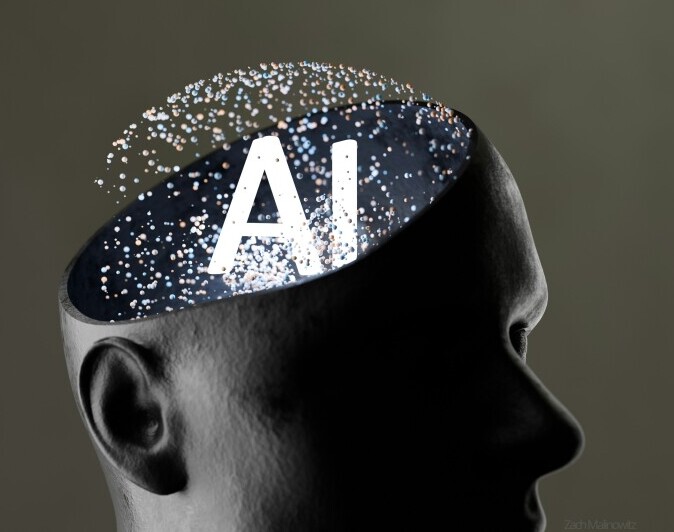
Looking back, ethics in AI isn’t new. The consideration began since AI was just a shiny new concept. Over the years, attitudes have fluctuated as society has learned more about both the wonders and the potential pitfalls of AI technologies. History shows us how ethical frameworks have matured alongside technological advances.
Why should you care about ethics in AI? Because they’re the backbone of consumer trust and societal acceptance. For AI to be truly beneficial, people need to trust that it works for them, not against them. A solid ethical framework reassures users that AI tools do their jobs without compromising human values.

All sorts of people are involved in making AI ethical. Developers who create the tech, businesses that deploy it, users who interact with it every day, and even governments setting the rules all have key roles. It’s a team effort to get it right. For any AI system to be trustworthy, every stakeholder needs to play their part and engage in open, honest discussions about what ethical AI should look like.
The Real-world Moral Dilemmas Unveiled by AI
AI isn’t just theoretical. It’s out there in the wild, impacting real lives in healthcare, finance, law enforcement, and more. But here’s the kicker: wherever AI shows up, moral dilemmas tend to follow. For example, in healthcare, AI might prioritize certain patients over others. In finance, automated trading can create or lose fortunes in seconds, but who gets the blame when things go sideways?

Case studies highlight these challenges, really bringing them to life. Take facial recognition tech. It’s used to catch bad guys, sure, but what about misidentifying innocent people, often from underrepresented groups? That’s not just a bug, it’s a big ethical issue.
Privacy concerns get a hefty shout because AI can track, record, and analyze loads of personal data without us even knowing. Some algorithms might carry biases reflecting those who program them. If an AI inherits a bias from its creators, it could unfairly affect decisions in jobs, loans, or law enforcement, reinforcing existing inequalities.
These systems affect society’s power dynamics too. Those who control the AI hold significant sway, unintentionally reinforcing social divides by giving advantages to some while ignoring others. So, the question isn’t if AI has a role in society, but how to use it fairly. Addressing these dilemmas takes a conscious effort from everyone involved to ensure AI serves all, not just a few.
Crafting Solutions: A People-first Approach to AI Ethics
Addressing AI’s ethical challenges means building these considerations right into the tech from the start. It’s about embedding ethical thinking at every development stage, from brainstorming to deployment. This involves asking tough questions early and often. “Are we considering everyone affected by this technology?” should be a regular refrain.

Policies can guide AI’s ethical path. Striking a balance between encouraging tech innovation and putting ethical rules in place is a challenge but entirely doable. Governments and businesses can work together to create and enforce policies that protect public interest while allowing tech to advance.
Education plays a starring role in this ethics story. The general public should be more aware of how AI impacts lives. Developers and decision-makers need robust training in ethical practices too. If people know what’s at stake, they’ll push for fairness and accountability in the tech they use every day.
Looking to the future, anticipatory governance, planning for what’s next before it happens, can keep AI on the right path. Collaborative frameworks, where different sectors come together to share insights, can help shape a future where AI is both innovative and ethical. People, yes all of us, have a say in how this technology develops. It’s a collective effort to ensure AI benefits everyone.